

Affiliate disclosure: This post contains affiliate links. If you buy through them, I may earn a small commission — at no extra cost to you. I only recommend products I'd point a friend to, and my editorial opinions are my own. Full disclosure here.
Here is what many expecting parents in the U.S. don't realize: under the Affordable Care Act, your health plan almost certainly has to give you a breast pump, usually at no cost to you. HealthCare.gov is blunt about it — "Your health insurance plan must cover the cost of a breast pump". The catch is the fine print: which pump, when you get it, and the paperwork between you and the box. This guide walks the process the way I wish someone had walked me through it — the benefit, the supplier step, the timing, the questions that move things along. And because plenty of plans only cover a basic pump, I'll be honest at the end about the affordable wearable I'd buy out of pocket for hands-free freedom.
Key Takeaways
- It's a federal benefit, not a perk: most ACA-compliant plans must cover a breast pump and lactation support. HealthCare.gov states a plan "must cover the cost of a breast pump", which "may be either a rental unit or a new one you'll keep."
- The pump comes through a DME supplier, not the doctor: you order through an in-network durable medical equipment (DME) company (Aeroflow, Edgepark and similar names handle this). Your provider supplies a prescription; the supplier bills your insurer.
- "Free" usually means a standard pump: plans set the rules. HealthCare.gov notes a plan "may have guidelines on whether the covered pump is manual or electric, the length of the rental, and when you'll receive it (before or after birth)." Wearables and upgrades often carry an out-of-pocket fee.
- Timing varies — start early: some plans release the pump before birth, others only after. Begin the process in your third trimester so it isn't a scramble.
- If you want a wearable, buy it direct: if your covered pump is a basic plug-in and you want hands-free, an affordable in-bra option like the Momcozy S12 Pro Quick is the pragmatic add-on. More on that below.
What the ACA breastfeeding benefit actually covers
The Affordable Care Act made breastfeeding support and equipment a covered preventive service for women — the legal reason you don't pay a copay for it on most plans. Per HealthCare.gov, covered breastfeeding benefits include a breast pump plus "breastfeeding support and counseling from trained providers, and access to breastfeeding supplies, for pregnant and nursing women." So the benefit is broader than the machine — it can include lactation-consultant visits too.
On the pump, the wording is clear that you get one but vague on which — deliberately, because Congress left the details to plans. HealthCare.gov says the pump "may be either a rental unit or a new one you'll keep," and that your plan "may have guidelines on whether the covered pump is manual or electric, the length of the rental, and when you'll receive it (before or after birth)." Translation: the right to a pump is federal; the specifics — model tier, rental vs. keep, timing — are set by your plan. That one sentence explains nearly every difference you'll hear between friends.
One honest caveat: not literally every plan is bound by this. A small number of older "grandfathered" plans are exempt from some ACA preventive-care requirements, and short-term or other non-ACA plans may not include it. The only way to know your situation for certain is to ask — which is why HealthCare.gov advises you to "contact your insurance plan with questions about breastfeeding benefits."
How the process works, step by step
The part that confuses people: your insurer doesn't hand you a pump directly, and neither does your OB. It comes through a third party — a durable medical equipment (DME) supplier — that is in-network with your plan and bills the insurer for you. Companies like Aeroflow Breastpumps and Edgepark built their businesses around this hand-off; many maternity-supply and pharmacy DME providers do it too. The flow generally looks like this:
- Call your insurer (or check your member portal). Ask whether breast-pump coverage is active, which DME suppliers are in-network, what pump tiers are covered at no cost, and the timing rule (before vs. after birth). The most useful 10-minute call in the process.
- Pick an in-network DME supplier. Use one your plan covers — going out of network is how a "free" pump turns into a bill. The supplier typically has an online form for your insurance details and due date, and verifies your eligibility with the insurer for you.
- Get the prescription. Insurers generally require a prescription (and sometimes pre-authorization). Usually the DME supplier requests it from your OB/midwife once you've ordered; sometimes you route it yourself. Confirm who's responsible so it doesn't stall.
- Choose your pump from the covered list. The supplier shows the models your plan covers at $0, plus any you can upgrade to for a fee (next section). You pick one.
- It ships — on your plan's timeline. Some plans ship before your due date; others release it only after delivery. The supplier handles the billing; you generally pay nothing for a fully covered pump.
This is the shape of the process, not any one company's policy — eligibility, covered models and timing are set by your plan and can change, so treat the supplier's eligibility check and your insurer's answers as the source of truth, not a blog (including this one).
Upgrade fees: where "free" gets an asterisk
Here's the candid part. The pump your plan covers at no cost is usually a standard double-electric pump — a capable, plug-in workhorse, but typically not the sleek in-bra wearable you've seen on social media. DME suppliers very commonly offer an upgrade path: you put the value of your covered pump toward a fancier model (a wearable, a hospital-strength unit, a premium brand) and pay the difference out of pocket. That difference is the "upgrade fee," and it varies by supplier, plan and model.
None of that is a scam — it's how the benefit is structured. But go in clear-eyed: the ACA guarantees you a pump, not your dream pump. If you want a hands-free wearable and your plan only covers a basic plug-in, you have three honest choices: (1) take the covered standard pump and pump tethered, (2) pay your supplier's upgrade fee toward a covered-eligible wearable, or (3) take the free standard pump and buy an affordable wearable directly — which, depending on the upgrade fee, can cost about the same while giving you two pumps. More on that math below.
Timing: when to start and when the pump arrives
Because timing is plan-specific, the safest rule is simple: start in your third trimester. HealthCare.gov explicitly lists "when you'll receive it (before or after birth)" as something your plan decides, and the two patterns are real:
- Before birth: many plans and suppliers ship in advance (often in the third trimester) so it's waiting when the baby arrives. Ideal — you can read the manual and order the right flange size before you're sleep-deprived.
- After birth: some plans release the pump only once the baby is delivered. If that's your plan, order early so the supplier already has your prescription and eligibility on file, and it ships the moment you're eligible.
Either way, the early legwork costs nothing and removes a stressor. And don't forget the rest of the benefit: those covered lactation-support visits are most useful in the first days and weeks, so ask how to access them too.
What to ask your insurer (copy-paste checklist)
One phone call answers almost everything. Have your member ID ready and ask:
- Is breast-pump coverage active on my plan, and at what cost to me?
- Which DME suppliers are in-network for breast pumps?
- Which pump models are covered at $0, and is it a rental or one I keep?
- Is the covered pump manual or electric, single or double?
- Can I upgrade to a wearable or premium model, and what's the out-of-pocket difference?
- Do I need a prescription or pre-authorization, and who submits it — me, my OB, or the supplier?
- When can the pump ship — before or after I deliver?
- Are lactation-consultant visits and replacement parts (flanges, tubing) covered too?
Write the answers down. If a DME supplier later tells you something different, you'll have your plan's word on record.
If you want a wearable: the affordable direct option
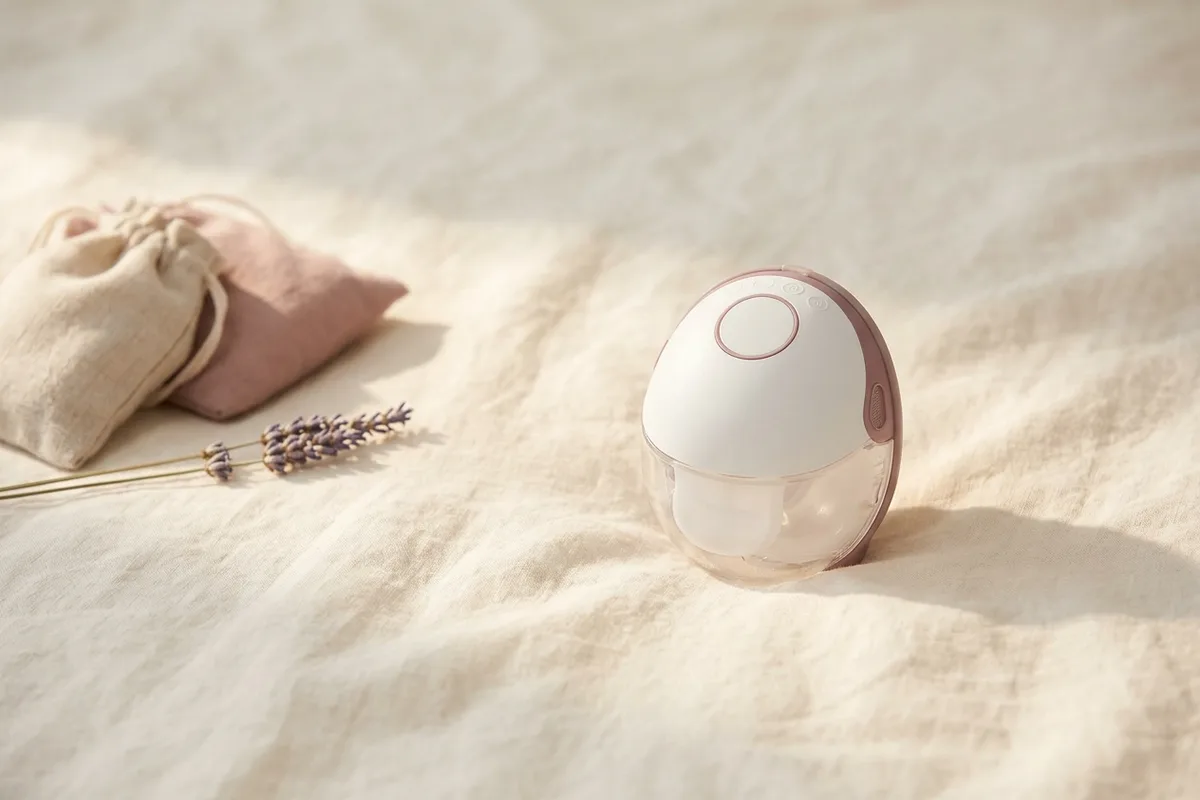
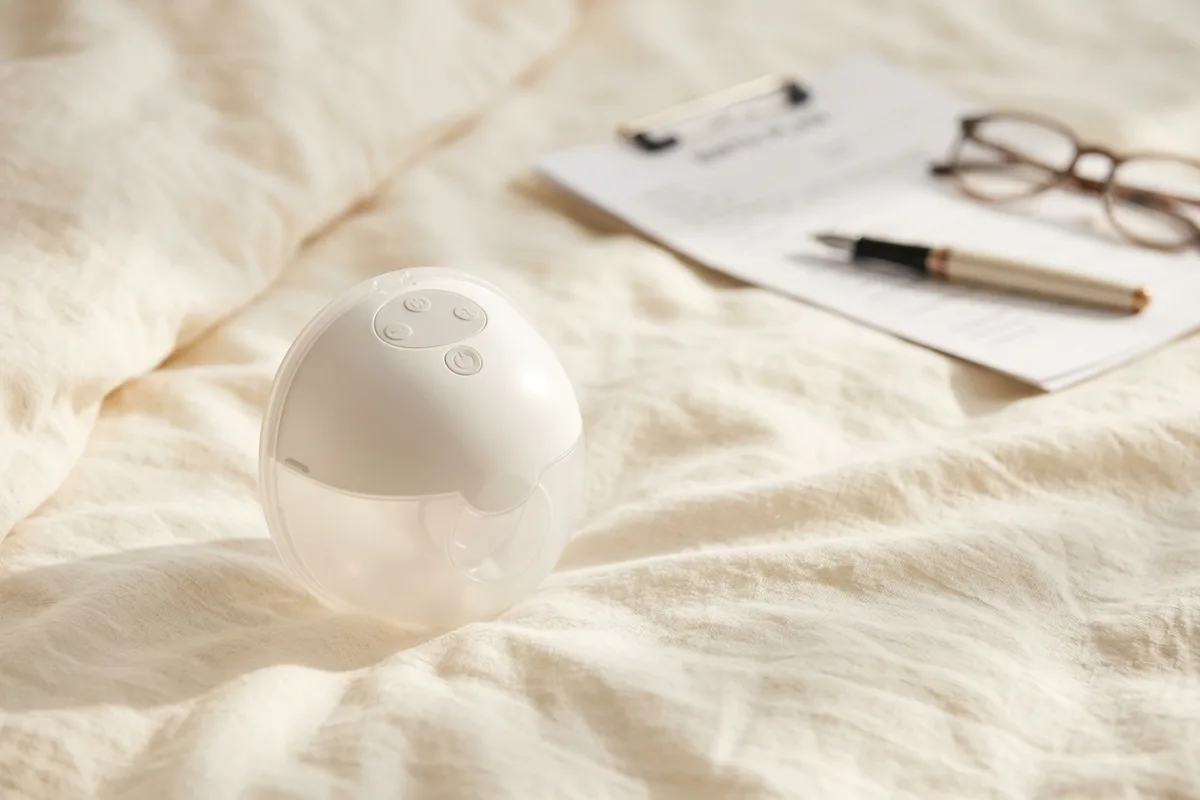
So say you've done the call and the math: your plan covers a basic standard pump, the wearable upgrade fee is more than you'd like, and you want to be hands-free. This is exactly where buying a wearable directly makes sense — as your main pump, or as the on-the-go companion to the free standard one your insurance sends.
Honest framing first: a covered standard double-electric is a good pump, and I'd never tell you to skip a free one. A wearable is a different tool — it trades a little raw, plug-in power for the freedom to pump while you work, drive or chase a toddler. If that's what you're missing, here are the two affordable wearables I'd point a friend to. The specs are Momcozy's stated figures from its own product pages; the ratings are my honest editorial opinion, not customer data, and I'm an independent reviewer here, not affiliated with Momcozy's product team. For the full head-to-head, see our pick of the best wearable breast pumps.

Momcozy S12 Pro Quick
The affordable add-on if your insurance pump is basic: Momcozy-stated -292 mmHg max suction and the longest battery here — up to 8 sessions (240 min) per charge — at under 46 dB and the lowest price.
Check price at Momcozy →The S12 Pro Quick is the one I'd reach for first when budget decides. Momcozy quotes a stout -292 mmHg max suction and the best endurance of these two — a 1350 mAh battery rated for up to eight sessions (240 minutes) — at $139.99 and a quiet ≤46 dB. That's wearable freedom for less than many suppliers' upgrade fees, which is what makes the "take the free pump and buy this too" route so appealing. The trade-off is the one every wearable shares: get your flange size right, or none of those numbers will feel good.

Momcozy M5 Smart
The step-up wearable: a true hands-free, in-bra pump with app control, Momcozy-stated 285 mmHg suction, 3 modes and 9 levels, ~6 sessions per charge and under 48 dB.
Check price at Momcozy →Want a little more control over your sessions? The M5 Smart is the step up. Momcozy states 285 mmHg across three modes and nine levels, app control so you can adjust without fishing the unit out of your bra, and a battery good for roughly six sessions at under 48 dB. At $199.99 it costs more than the S12 Pro Quick, and the same flange-fit rule applies, but the mode range and app make it the more flexible everyday wearable. Between the two, let budget decide: the S12 Pro Quick for the lowest price and longest battery, the M5 for app control and mode flexibility.
Frequently asked questions
For most people in the U.S., yes — the pump itself is typically covered at no cost to you. HealthCare.gov states that your health insurance plan must cover the cost of a breast pump, which may be a rental unit or a new one you keep. The asterisk is which pump: plans usually cover a standard model at $0, and a fancier wearable or premium pump may require an out-of-pocket upgrade fee. Confirm your specific coverage with your insurer, since plans set their own rules.
You order through an in-network durable medical equipment (DME) supplier — companies such as Aeroflow Breastpumps or Edgepark, among others — rather than directly from your insurer or OB. You fill out the supplier's form with your insurance and due-date details, the supplier verifies your eligibility and obtains the required prescription from your provider, you choose a covered pump, and the supplier bills your insurance. Start by calling your insurer to ask which DME suppliers are in-network.
Sometimes, but not always at no cost. Plans most often cover a standard double-electric pump for free, while in-bra wearables are frequently offered as a paid upgrade through the DME supplier — you apply the value of the covered pump and pay the difference. Whether a specific wearable is covered or upgrade-eligible depends entirely on your plan and supplier, so ask both. If the upgrade fee is high, buying an affordable wearable directly can sometimes cost about the same.
It depends on your plan. HealthCare.gov lists when you'll receive the pump (before or after birth) as one of the guidelines a plan can set. Some plans and suppliers ship it in your third trimester so it's ready in advance; others release it only after delivery. The safe move is to start the process during your third trimester so your prescription and eligibility are already on file, and the pump ships the moment you're eligible.
Usually, yes. Most insurers require a prescription from your OB, midwife or pediatrician, and some also require pre-authorization. In practice the DME supplier often requests the prescription from your provider directly once you place your order, so you may not have to chase it yourself — but confirm who is responsible so the order doesn't stall. Your insurer can tell you the exact documentation your plan needs.
Often more than the pump. Under the ACA, covered breastfeeding benefits include breastfeeding support and counseling from trained providers and access to breastfeeding supplies, in addition to the pump itself. That can mean covered lactation-consultant visits, which are most valuable in the first days and weeks. Coverage details vary by plan, so ask your insurer how to access lactation support and whether replacement parts like flanges and tubing are included.
Once you've sorted your coverage, the next decision is which pump shape fits your life — start with my guide to choosing a breast pump for the full breakdown of wearable, portable, traditional and hospital-grade types. And if you've landed on hands-free, see our pick of the best wearable breast pumps for the head-to-head. Whichever pump arrives, the single highest-leverage thing you can do is get your flange size right.